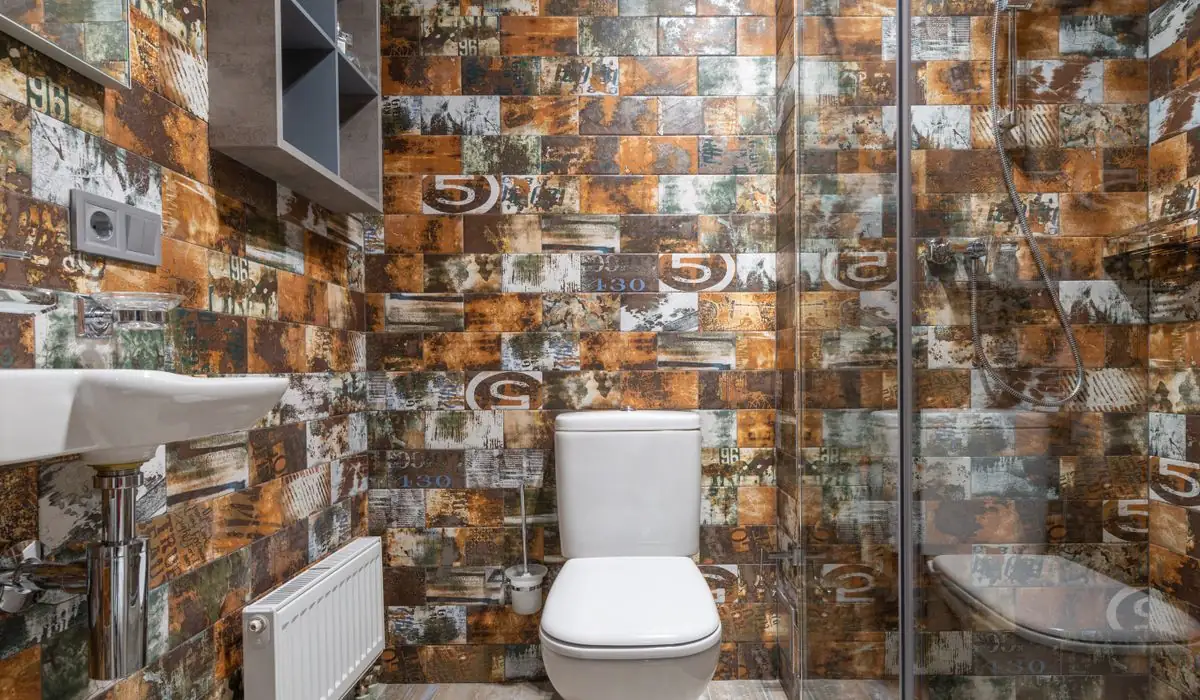
What toilet installation involves
Setting a toilet is quick when the floor and flange are sound. Most of the care goes into what you cannot see once the bowl is down.
- Close the stop, sponge the tank and bowl dry, and lift the old toilet out.
- Scrape the old wax and inspect the flange for cracks, rust or a loose mount.
- Check the subfloor around the flange for soft spots.
- Repair or replace the flange if needed and fit a new seal.
- Set the bowl level, tighten evenly and assemble the tank.
- Install a new braided supply line and, if the old one has seized, a fresh shut-off valve.
- Flush several times and check the base and connections for drips.
Why North York houses need it
Bathrooms from the postwar decades often have cast-iron flanges set into the floor, and some have been overlaid with new tile so the flange now sits below the finished surface. Older toilets in these homes can use far more water each flush than today's low-flow models. Rough-in distance, the measurement from wall to flange centre, is usually 12 inches but not always, so we measure before you buy.
Plumber's tip: Measure your rough-in before shopping: wall to the middle of the closet bolts. If you are unsure, send a photo and we will confirm it. (365) 517-5705.
How we write up the job
The work order records the flange condition, the rough-in distance, any subfloor concerns and every part installed. If you supplied the toilet, the model is noted; if we supplied it, that is listed too. Removal and disposal of the old fixture is a line item, so nothing is left in your garage.
Signs you should call
- A toilet that rocks when you sit on it.
- Water or staining around the base.
- A cracked tank or bowl.
- Frequent clogs from an old, weak-flushing model.
- A bathroom renovation reaching the fixture stage.
For a basement bathroom that needs drains before a toilet can go in, see basement bathroom rough-in. Swapping taps at the same time? Faucet repair and replacement can be added to the visit.
Costs and what affects them
The fixture you choose is the largest variable. On the labour side, a sound flange and floor make for a short job; a broken cast-iron flange, a rotted subfloor or a seized shut-off add time and parts. One-piece and wall-hung toilets have their own requirements. You get the price before the old toilet comes out.
Choosing the new one
Look for a model rated for good flush performance, check the bowl shape against the room size and confirm the rough-in. Taller comfort-height bowls suit many adults but not every child or shorter user. Elongated bowls need more clearance in front, so measure from the bowl's edge to the door swing or vanity.
Job at a glance
| Category | Fixtures |
|---|---|
| Tools | Wax ring, flange repair kit, shims, braided supply |
| Final test | Ten flushes with no rock and no leak |
Tell-tale signs
- Cracked bowl or tank
- Old 13-litre toilet with constant clogs
- Bathroom flooring being replaced
Steps on the job
- Shut off, drain and lift the old toilet
- Scrape the old wax and check the flange
- Drop the new bowl onto a new wax seal, then shim until it sits dead level
- Fit a braided supply and a fresh quarter-turn stop
Your questions on this one
I bought my own toilet. Will you put it in?
Gladly. First we confirm the rough-in matches and that all parts are in the box before starting.
How long is a toilet install?
A simple swap is normally done within a couple of hours. Flange or subfloor repairs take longer, and you hear about it the moment we find them.