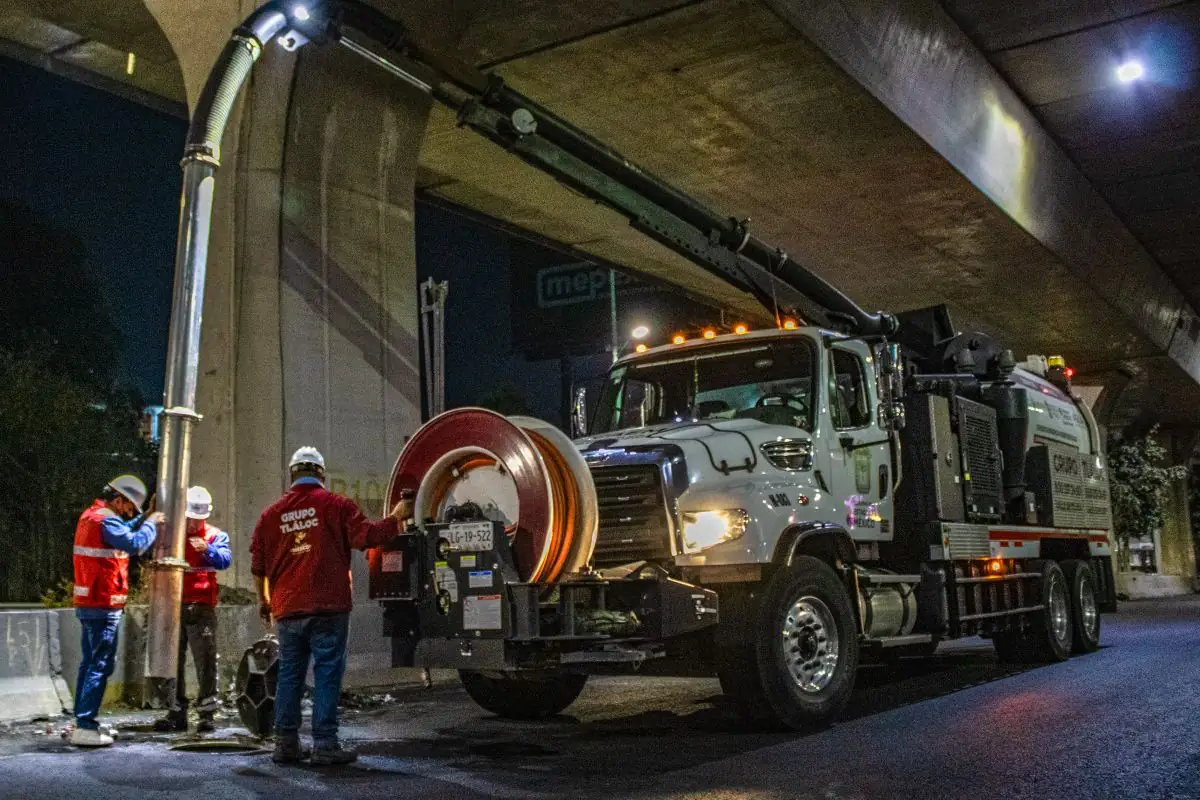
What this job covers
- Opening and cleaning under-sink and in-floor grease interceptors.
- Checking baffles, inlet and outlet tees and the lid gasket.
- Jetting the kitchen branch from the interceptor to the main.
- Clearing pre-rinse, three-compartment and mop sink drains.
- Camera inspection where the line keeps closing up.
Signs your kitchen line is greasing up
- The dish sink drains slower every week.
- Floor drains near the line gurgle when the dish machine dumps.
- A rancid smell around the interceptor lid.
- Water standing in the floor sink at the end of service.
- Grease visible at a cleanout or floor drain grate.
Plumber's tip: Toronto's sewer by-law has put the onus on food premises to stop grease reaching city sewers and to look after their interceptors. Confirm today's City rules, and file each pump-out receipt where an inspector can see it.
How the visit runs
- We book before opening or after close so no plates are coming back.
- The interceptor is opened, pumped down and scraped; solids are bagged for disposal.
- Baffles and tees are checked; a missing baffle lets grease straight through.
- The kitchen line is jetted to the main with a nozzle sized to the pipe.
- We run every sink and the dish machine and watch the outlet.
- You get notes on what came out and how fast the trap is filling.
Keeping grease out between visits
- Wipe or scrape food waste into compost or garbage first, then rinse.
- Leave a basket strainer in every compartment, all shift.
- Spent fryer oil goes into a sealed drum for pickup, not a sink.
- Do not use hot water or enzymes to push grease past the trap; it sets again further down.
- Set the cleaning interval by how full the trap gets, not by the calendar alone.
Kitchens we see in North York
Plazas along Yonge, Sheppard, Bathurst and Finch hold many small kitchens sharing one building drain. When one unit's line is not maintained, the unit at the end of the run often gets the backup. We trace whose line is feeding the grease before anyone pays for the wrong cleaning.
Job at a glance
| Category | Commercial |
|---|---|
| Tools | Interceptor scraper, pump, jetter with grease nozzle, camera, absorbent pads |
| Final test | All kitchen fixtures run together with a clear outlet tee |
Tell-tale signs
- Dish sink slower every week
- Floor sink holding water after close
- Rancid smell at the interceptor lid
Steps on the job
- Pump down and scrape the interceptor
- Check baffles, tees and lid gasket
- Jet the kitchen branch to the main
- Run every fixture and watch the outlet
Your questions on this one
How often does our interceptor need pumping?
It depends on volume and menu. A busy fryer kitchen may need much more frequent service than a café; we measure how full it is at each visit and suggest an interval.
Can you work while we are open?
Usually we avoid it, because the line needs to be quiet while it is opened. Early morning and after close work best.